Earn Your Online DPT at Arcadia University

Preparing aspiring physical therapists to become the next generation of innovative, patient-centered practitioners.

  • CAPTE accredited: Arcadia University’s hybrid Doctor of Physical Therapy (DPT) program is accredited by the Commission on Accreditation in Physical Therapy Education (CAPTE).1
  • 26-month Hybrid DPT: Complete the 110-credit curriculum over six semesters and prepare to pursue physical therapy licensure.
  • 110 credits: Progress through 20 patient-based courses that combine synchronous online learning, self-guided coursework, and practical education.
  • 32 weeks of clinical education: Complete clinical rotations with support from Arcadia’s clinical education network, including required on-campus immersions and clinical experiences in or near your community.
CAPTE verification badge

CAPTE-Accredited Hybrid Doctor of Physical Therapy Overview

Prepare to pursue physical therapy licensure through Arcadia University’s CAPTE-accredited hybrid Doctor of Physical Therapy (DPT) program. This program combines synchronous online classes, self-guided coursework, on-campus laboratory immersions, and supervised clinical education to help students build the knowledge, clinical reasoning, and practical skills needed to evaluate, diagnose, and treat movement dysfunction across diverse patient populations.

Graduates are academically prepared to pursue licensure and apply to sit for the National Physical Therapy Examination (NPTE), subject to applicable state licensure requirements.2

If you need to contact the program directly, please call 215-572-2950 or email ptadmission@arcadia.edu.

Take the next step toward earning your hybrid Doctor of Physical Therapy degree. Request information to learn more about admissions requirements, clinical education, and upcoming start dates.

Request information

The application deadline for our next program start date is May 6, 2027. Apply now.

Arcadia’s Hybrid DPT Program Highlights

Arcadia’s hybrid DPT program teaches students the fundamental knowledge necessary for the examination, evaluation, and treatment of physical therapy clients while applying critical thinking skills. Our students are trained to provide comprehensive, patient-centered care using evidence-based practice and are prepared to become innovative leaders in the physical therapy field.

Accelerated Curriculum

Our innovative, rigorous, patient-centered curriculum requires 26 months to complete and is geared to entry-level students who thrive as independent learners. The curriculum is organized into 20 patient-based courses that integrate foundational science, clinical decision-making, and evidence-based practice across every major area of physical therapy while preparing students for clinical education and professional practice.

Renowned Faculty

Arcadia faculty are at the forefront of the physical therapy profession. Learn from experienced educators who model scholarship, best practices, and leadership, and whose backgrounds include clinical practice, research, education, and professional leadership. Drawing on their experience across patient care and scholarship, they help students develop the clinical judgment and evidence-based decision-making skills needed for contemporary physical therapy practice.

Skills-Based Preparation

Through a mix of structured video content, engaging online sessions, on-campus immersions, and clinical education experiences, students have opportunities to apply classroom instruction throughout the duration of the program.

Jump to:

Curriculum

Faculty

Hybrid Experience

Admissions

Careers

FAQs

110-Credit Hybrid DPT Curriculum and Course Structure

Arcadia University’s hybrid Doctor of Physical Therapy (DPT) curriculum is designed to prepare students for contemporary physical therapy practice through integrated coursework, laboratory training, and clinical education.

Duration and Pace:

Complete the program in as few as 26 months over six continuous semesters.

Credit Load:

Earn 110 credits through 20 integrated, patient-centered courses.

Instructional Model:

Learn through live synchronous online classes, self-guided coursework, and eight required on-campus laboratory immersions.

Clinical Education:

Complete two integrated part-time clinical education experiences during the first year, followed by 32 weeks (1,200+ hours) of full-time clinical education across diverse practice settings.

Learning Focus:

Build expertise in movement systems, clinical reasoning, differential diagnosis, patient management, and evidence-based physical therapy practice using integrated patient cases throughout the curriculum.

To explore additional online and on-campus programs, visit the Arcadia University’s College of Health Sciences website.

Program Requirements That Prepare You for Practice

Understand the major learning experiences you’ll complete as you progress through the hybrid DPT program, both online and in person.

FormatRequirementLearning Outcome
Patient-Based Courses
20 courses
Complete 20 integrated patient-based courses that build in complexity and combine knowledge from every practice area of physical therapy.  
On-Campus Immersions
8 immersions
Attend eight required on-campus immersions to develop practical clinical skills, work with faculty and peers, and participate in practical assessments.  
Clinical Education Experiences
4 experiences (2 full-time, 2 part-time) over 32 weeks
Gain supervised clinical experience through two part-time integrated clinical education experiences in Year 1, followed by an eight-week and a 24-week full-time clinical education experience in Year 2.  
Service Learning
10 hours of community service
Complete 10 hours of community service during the first year at two organizations, with reflection assignments that reinforce professional development.

What You’ll Learn Throughout the DPT Program

Explore the core knowledge and clinical competencies you’ll develop through Arcadia’s integrated, patient-based curriculum.

What You’ll StudyWhat You’ll Learn
Movement Systems
Study movement systems across the human lifespan, building knowledge through progressive, patient-based coursework.
Differential Diagnosis and Intervention
Learn to evaluate patient presentations, develop differential diagnoses, and select evidence-informed interventions.
Integrated Patient Management
Apply clinical reasoning to manage patients with musculoskeletal, neurological, cardiopulmonary, and other conditions.
Clinical Assessment
Develop examination, evaluation, and patient assessment skills used in physical therapy practice.
Evidence-Based Practice
Learn to interpret research and apply evidence to support clinical decision-making.
Clinical Education and Professional Development
Complete laboratory immersions and clinical education experiences while developing professional practice skills.

Experiential Learning: 32 Weeks of Local Clinical Rotations and 8 Immersions

Arcadia believes that to understand the world, students should experience it.

MilestoneTimingDuration and FormatFocus and Setting
Integrated Clinical Experiences
Year 1
2 part-time experiences
Early patient exposure integrated alongside foundational coursework.
Intermediate Clinical Rotation
Year 2 (Fall)
8 weeks (full time)
Applied clinical reasoning in active practice settings.
Terminal Clinical Internship
Year 2 (Final)
24 weeks (full time)
Full-time direct patient management under licensed PT supervision.
Glenside Lab Immersions
Throughout 26 months
8 multi-day sessions
Intensive hands-on on-campus skills training in Glenside, Pennsylvania.

Jump to:

Curriculum

Faculty

Hybrid Experience

Admissions

Careers

FAQs

Local Clinical Rotations and Placement Support

Arcadia’s clinical education team works with an established network of more than 250 affiliated clinical partners to arrange clinical education experiences that meet program requirements and learning objectives. Students in the hybrid program can access clinical education opportunities through this established Arcadia network, with many on-campus students having found their first job through relationships they built during these experiences.

Whenever possible, the clinical education team strives to secure placements in or near students’ home communities.

Students may complete clinical education experiences in settings such as:

  • Major medical centers
  • Community hospitals
  • Community health centers
  • Rehabilitation hospitals and agencies
  • Home health organizations
  • School-based clinics
  • Private practices

On-Campus Hands-On Immersions in Glenside, Pennsylvania

In addition to online coursework and clinical education, students are required to attend eight on-campus immersions at Arcadia University’s campus in Glenside, Pennsylvania. These multi-day experiences are scheduled at key points throughout the curriculum to reinforce the concepts students are learning online to prepare them for upcoming clinical education experiences.

During each immersion, students practice examination and treatment techniques, participate in laboratory instruction and practical assessments, receive direct feedback from faculty, collaborate with classmates, and refine the clinical skills needed for physical therapy practice. Together, the immersions bridge online coursework with supervised clinical education, helping students progressively build confidence and competence throughout the program.

Meet Our Physical Therapy Department Faculty

Faculty members in Arcadia University’s hybrid Doctor of Physical Therapy (DPT) program combine teaching, clinical practice, research, and professional leadership to prepare students for careers in physical therapy. Throughout the program, students learn from educators whose experience spans patient care, scholarship, and service to the profession.

Arcadia faculty contribute to the advancement of physical therapy through peer-reviewed research, textbook publications, professional presentations, leadership within national organizations, and funded research initiatives. Their expertise helps ensure that the curriculum reflects current evidence, emerging best practices, and the evolving needs of the profession.

Three members of the faculty have been recognized as Fellows of the American Physical Therapy Association (FAPTA), one of the profession’s highest honors. Students also benefit from faculty mentorship, both online and during campus immersions and clinical education experiences.

Explore the latest faculty research and learn more about Arcadia’s Doctor of Physical Therapy faculty below.

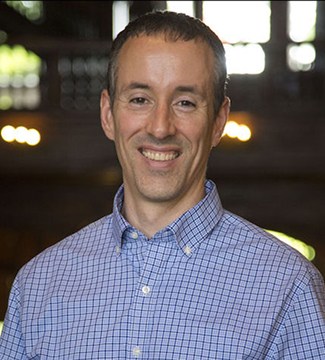
Professor Michael “Mike” A. Tevald PT, PhD headshot

Michael “Mike” A. Tevald PT, PhD

Professor, Department Chair, and Entry-Level Program Director

Dr. Tevald is an associate professor and chair of the Department of Physical Therapy at Arcadia University. His research examines how aging and chronic disease affect muscle health, and he is currently collaborating with the Hospital of the University of Pennsylvania to study the effects of lung transplantation on muscle function.

His work, supported by the American Heart Association and the Foundation for Physical Therapy, has advanced understanding of muscle physiology and aging.

Learn more about Michael

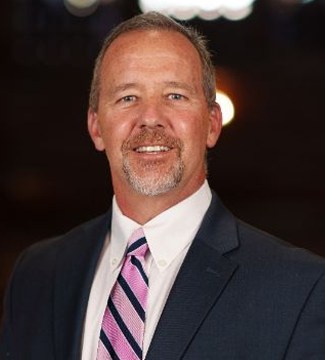
Professor Philip “Phil” W. McClure PT, PhD, FAPTA headshot

Philip “Phil” W. McClure PT, PhD, FAPTA

Professor, Program Director of the PhD in Movement Science program

A professor of Physical Therapy at Arcadia since 1998, Dr. McClure directed the University’s highly successful transitional Doctor of Physical Therapy program for 14 years prior to becoming Chair of the Department of Physical Therapy.

Dr. McClure has earned several national professional awards, including selection as a Catherine Worthingham Fellow of the American Physical Therapy Association (APTA) and the National Award for Excellence in Teaching from the APTA Orthopedic Section.

Learn more about Philip

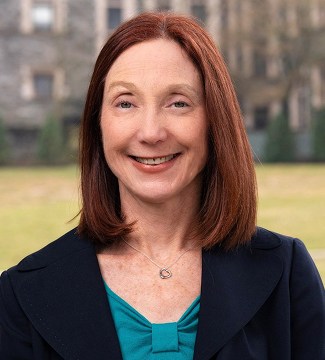
Professor Therese E. Johnston PT, MS, PhD, MBA, FAPTA headshot

Therese E. Johnston PT, MS, PhD, MBA, FAPTA

Professor, Director of the Master’s in Rehabilitation Science

Dr. Johnston is a professor of Physical Therapy at Arcadia University and director of its Master’s in Rehabilitation Science program.

She has published over 60 peer-reviewed articles and focuses her research on spinal cord injury, bone health, runners, and the use of functional electrical stimulation to improve fitness and function.

Previously a faculty member at Thomas Jefferson University and still practicing rehabilitation part-time, she brings both scholarly and clinical expertise to her role.

Learn more about Therese

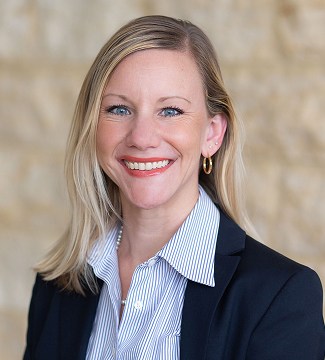
Professor Julie M. Skrzat PT, DPT, PhD, CCS headshot

Julie M. Skrzat PT, DPT, PhD, CCS

Associate Professor and Hybrid DPT Pathway Director

Dr. Skrzat is an associate professor and program director of the hybrid DPT program at Arcadia University.

Her research includes optimizing functional outcomes for critically ill patients, using simulation in physical therapy education, and exploring interprofessional experiences in this field. She continues to practice at Lehigh Valley Health Network.

Learn more about Julie

“As graduate students, we like to do volunteer work to pull ourselves out of our textbooks, give back to the community, come together, and learn. We gain almost as much as we give with these experiences.”
— Vanessa R. ’19

Join Arcadia’s community of passionate experts who are redefining what it means to be a physical therapist.

Request Information

Jump to:

Curriculum

Faculty

Hybrid Experience

Admissions

Careers

FAQs

The Hybrid DPT Experience

Arcadia University’s hybrid Doctor of Physical Therapy (DPT) program combines the flexibility of online learning with the applied training required to prepare for clinical practice.

Students can expect self-guided coursework, live virtual instruction, on-campus immersions, and clinical education experiences in a structured, collaborative learning environment.

Live Weekly Classes

Participate in scheduled online classes led by Arcadia’s DPT faculty. These interactive sessions encourage real-time discussion, collaboration, case-based learning, and direct engagement with instructors and classmates.

Self-Guided Online Coursework

Complete asynchronous coursework on your schedule while meeting established course deadlines. This flexible format allows you to review course materials, complete assignments, and prepare for live sessions at a pace that supports your learning.

Practical Learning Through Immersions and Clinical Education

Reinforce your online learning through required on-campus immersions and supervised clinical education experiences. These opportunities allow you to develop practical skills, apply classroom knowledge in patient care settings, and learn alongside faculty, clinical instructors, and peers throughout the 26-month hybrid DPT program.

Jump to:

Curriculum

Faculty

Hybrid Experience

Admissions

Careers

FAQs

Hybrid DPT Admissions, Prerequisite Requirements, and GRE Policy

Arcadia University’s hybrid Doctor of Physical Therapy (DPT) program welcomes aspiring physical therapists from a variety of academic and professional backgrounds. Whether you’re a recent graduate or changing careers, each application is reviewed through a holistic admissions process that considers your academic preparation, experiences, and potential to succeed in the program.

Graduate Record Examination (GRE) scores are optional and are not required for admission. Applicants who choose not to submit GRE scores will not be disadvantaged during the holistic admissions review process.3

To qualify for admission, applicants must hold a bachelor’s degree from a regionally accredited institution, have a minimum cumulative GPA of 3.0 and a minimum 3.0 GPA in prerequisite coursework, complete the required prerequisite coursework in the biological sciences, physical sciences, behavioral sciences, and statistics, and be a U.S. citizen or permanent resident who plans to maintain U.S. residency throughout the program.

To apply, you’ll need to meet the following program-specific requirements:

RequirementsDetails
Application
Complete the online Doctor of Physical Therapy application.
Official Transcripts
Submit transcripts for all prerequisite and degree-bearing coursework.
Letters of Recommendation
Submit two letters of recommendation: one from a licensed, practicing physical therapist and one from a college professor. An optional third professional recommendation may also be submitted.
Observation Hours
Complete observation hours in at least one inpatient and one outpatient setting.
Personal Statement
Respond to the required essay prompts describing your interest in becoming a physical therapist.

Meeting the minimum admissions requirements does not guarantee admission. Applications are reviewed holistically based on academic preparation, performance in prerequisites, experiences, recommendations, and demonstrated readiness for graduate study.

For complete application instructions and deadlines, visit the Application Requirements page.

Please refer to the Student Financial Fact Sheet for a general estimate of program costs.

Physical Therapy Specializations

Arcadia’s hybrid DPT program prepares its students to treat the whole person and not just the diagnosis. This training provides a foundation that prepares students to pursue advanced practice in a number of specialty areas, of which there are many.

Physical therapists can choose to become board-certified clinical specialists through the American Board of Physical Therapy Specialties (ABPTS).4 Upon successful completion of the program, licensed clinicians may voluntarily pursue specialization by developing a greater depth of knowledge related to a particular area of practice.

Physical therapists can become board-certified specialists in the following areas:

  • Cardiovascular and pulmonary physical therapy
  • Clinical electrophysiology
  • Geriatrics
  • Hand therapy
  • Neurology
  • Oncology
  • Orthopedics
  • Pediatrics
  • Sports
  • Women’s health

Board certification is optional and is pursued after graduation and licensure. It allows eligible physical therapists to develop advanced expertise and may support career growth in specialized areas of clinical practice.

“At Arcadia University, they really emphasize service and they emphasize that PT isn’t just a job to make money, but it is a vocation. It is a way to serve the community and the population by improving societal health and individual health.”
— Noah S., Physical Therapy Student

Request Information

Jump to:

Curriculum

Faculty

Hybrid Experience

Admissions

Careers

FAQs

Physical Therapist Career Outlook and Salary Potential

Graduates of Arcadia University’s hybrid Doctor of Physical Therapy (DPT) program can pursue careers in a growing healthcare profession. Employment opportunities for licensed physical therapists continue to grow as healthcare systems respond to an aging population, increasing rates of chronic conditions, and greater demand for rehabilitation and non-opioid pain management.

According to the U.S. Bureau of Labor Statistics (BLS), employment of physical therapists is projected to grow 12% between 2025 and 2035, much faster than the average for all occupations. The BLS also projects an average of 13,400 job openings each year during this period.5

The BLS reports that the median annual wage for physical therapists was $102,760 in May 2025. Actual salaries vary based on factors such as geographic location, employer, years of experience, and clinical specialty.6

Practice SettingMedian Annual Wage
Home Healthcare Services
$114,7407
Nursing and Residential Care Facilities
$110,4608
Hospitals (state, local, and private)
$106,8009
Offices of Physical, Occupational and Speech Therapists, and Audiologists
$97,16010

Throughout the program, you’ll join a community of faculty, clinicians, and peers who value service, integrity, collaboration, and lifelong learning. This supportive environment encourages you to develop the clinical expertise, leadership skills, and professional confidence needed to serve patients throughout your career.

Whether you’re completing your bachelor’s degree or pursuing a career change, Arcadia’s hybrid DPT program provides a pathway to prepare for physical therapy licensure while learning alongside experienced faculty and completing clinical experiences in your community. If you’re ready to take the next step toward becoming a physical therapist, we invite you to learn more about Arcadia’s admissions requirements and begin your application today.Whether you’re a recent undergraduate or a mid-level professional seeking a career change, we encourage you to take the next step and learn more about Arcadia’s hybrid DPT program.

Request information

Frequently Asked Questions About Arcadia’s Hybrid DP

  • Yes. Arcadia University’s hybrid Doctor of Physical Therapy (DPT) program combines asynchronous online coursework, live synchronous classes, practical laboratory immersions, and local clinical education experiences.

    This hybrid format allows students to complete academic coursework online while developing practical skills through required on-campus immersions and clinical placements.

  • Yes. Arcadia University’s hybrid DPT program is accredited by the Commission on Accreditation in Physical Therapy Education (CAPTE).

    CAPTE accreditation confirms that the program meets the educational standards required to prepare graduates to pursue physical therapy licensure, subject to individual state licensure requirements.

  • Arcadia’s hybrid DPT program can be completed in 26 months across six semesters.

    The 110-credit curriculum combines patient-based coursework, live online instruction, self-paced learning, laboratory immersions, and 32 weeks of clinical education to prepare students for contemporary physical therapy practice.

  • No. Graduate Record Examination (GRE) scores are optional and are not required for admission to Arcadia’s hybrid DPT program.

    Applicants who choose not to submit GRE scores will not be disadvantaged during the admissions review process.

  • Applicants must have a minimum cumulative GPA of 3.0 and a minimum prerequisite GPA of 3.0. Admissions decisions are made through a holistic review process that considers academic achievement, experiences, personal qualities, and readiness for graduate study.

    Students from a variety of educational and professional backgrounds are encouraged to apply.

  • Students travel to Arcadia University’s campus in Glenside, Pennsylvania, for eight required skills-based laboratory immersions throughout the 26-month program.

    These immersive experiences provide opportunities to develop clinical skills, collaborate with classmates, and receive direct faculty instruction.

  • A typical week includes asynchronous coursework that students complete on their own schedule, live online classes with faculty and classmates, independent study, and assigned learning activities.

    Throughout the program, online learning is reinforced through on-campus immersions and clinical education experiences.

  • Yes. Arcadia’s clinical education team works with students to arrange clinical placements through its network of affiliated sites.

    Students complete 32 weeks of clinical education, including an 8-week intermediate clinical experience and a 24-week terminal internship, with placements typically arranged in or near their communities whenever possible.

  • Full-time employment is generally not recommended because of the program’s accelerated pace, rigorous academic requirements, mandatory laboratory immersions, and full-time clinical education experiences. Students should carefully consider the program’s time commitment before enrolling.

  • Tuition for Arcadia University’s hybrid Doctor of Physical Therapy program is $123,510, billed evenly at $20,585 per semester over six semesters.

    Eligible students may explore financial aid options, including federal student loans, scholarships, and payment plans. Refer to the Student Financial Fact Sheet and Arcadia University’s financial aid resources for the most current tuition, funding, and eligibility information.11

Arcadia University partners with 2U to support the delivery of this online program. Arcadia University has full control over the program, including all core academic functions. Click here to learn more about 2U’s roles and responsibilities.

  1. Master List of Accredited Programs for the Physical Therapist. (2024). Commission on Accreditation in Physical Therapy Education (CAPTE). Retrieved July 2026. ↩︎
  2. Federation of State Boards of Physical Therapy. FSBPT. Retrieved July 2026. ↩︎
  3. Hybrid DPT Application & Admission Requirements. (2026). Arcadia University. Retrieved July 2026. ↩︎
  4. APTA Specialist Certification – Governed by ABPTS. APTA.Retrieved July 2026. ↩︎
  5. Physical Therapists. (2026). U.S. Bureau of Labor Statistics. Retrieved August 2026. ↩︎
  6. Physical Therapists. (2026). U.S. Bureau of Labor Statistics. Retrieved August 2026. ↩︎
  7. Physical Therapists. (2026). U.S. Bureau of Labor Statistics. Retrieved August 2026. ↩︎
  8. Physical Therapists. (2026). U.S. Bureau of Labor Statistics. Retrieved August 2026. ↩︎
  9. Physical Therapists. (2026). U.S. Bureau of Labor Statistics. Retrieved August 2026. ↩︎
  10. Physical Therapists. (2026). U.S. Bureau of Labor Statistics. Retrieved August 2026. ↩︎
  11. Student Financial Fact Sheet and Financial Aid Resources. Arcadia University. Retrieved August 2026. ↩︎